


Prospective Undergraduate Students
U.S. News and World Report (2025)
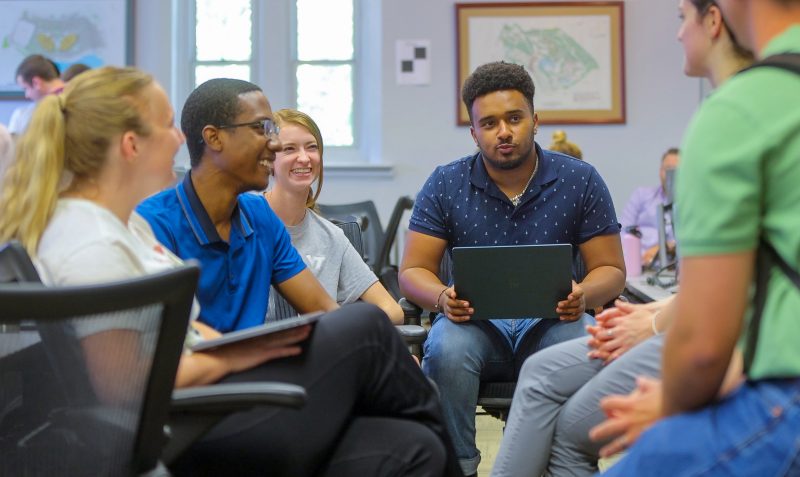
The community in the CEE department shaped my journey here in Blacksburg, but I feel confident it also prepared me for my future career in engineering.
- Nicole, CEE alumna 2024
The Civil Engineering degree program at Virginia Tech offers two undergraduate majors: Civil Engineering and Environmental Engineering. First-time-in-college (FTIC) students typically begin the program in their sophomore year. The curriculum requires basic science, engineering mechanics, and continuing mathematics training. In the junior and senior years, students select fundamental and advanced coursework across several specialty areas within the civil engineering discipline according to their personal interests. Regardless of the specialty areas selected, the required variety in technical content ensures that all students receive a strong education in the fundamentals of civil engineering. There are eight different specialty areas. Additional information about these specialty areas is available within the links below
-
General Item
 Construction Engineering and Management
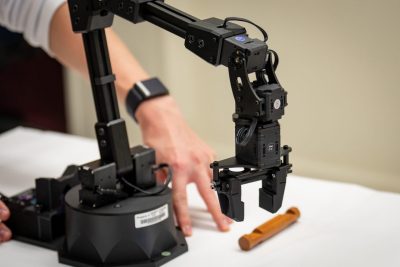
The construction offers opportunities through coursework and faculty research interests in all phases of the construction life cycle
-
General Item
 Environmental
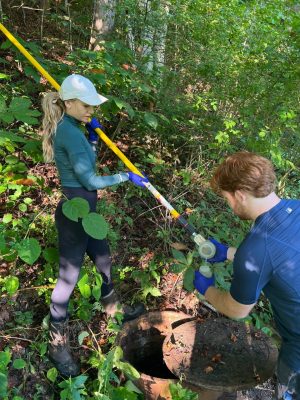
Applied sciences of biology for biological treatment processes, chemistry for chemical treatment and contaminant fate and transport, and physics for air pollution
-
General Item
 Geotechnical
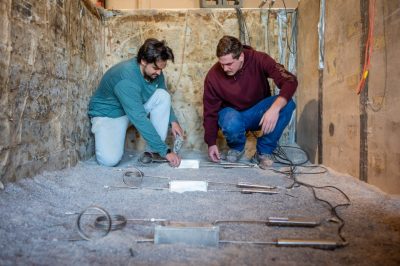
A branch of civil engineering focused on the behavior of soil and rock in relation to infrastructure design and construction
-
General Item
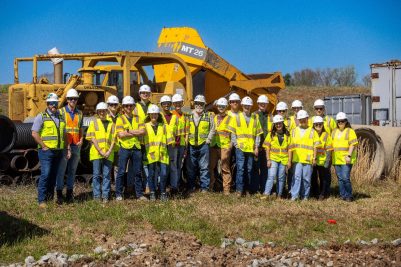 Land Development
Planning, design, construction, and management of the facilities and infrastructure required to maintain and expand societal access to a high standard of living
-
General Item
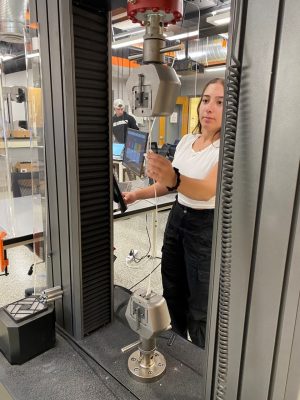 Materials
Materials engineering focuses on the natural and manufactured substances used to construct human infrastructure
-
General Item
 Structural
Structural engineering focuses on designing and analyzing man-made structures to ensure their stability, safety, and functionality under various loads and hazards
-
General Item
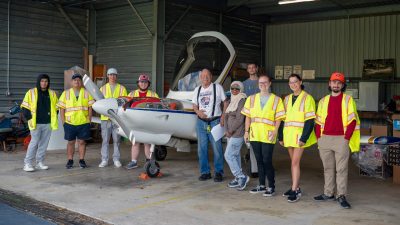 Transportation
Provides students with the ability to recognize the primary role in ensuring the continuing adequacy of the transportation infrastructure to meet human needs
-
General Item
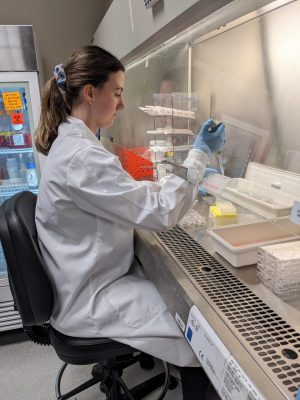 Water Resources
Water Resources engineering deals with the movement of water through the hydrologic cycle and the ways that humans intervene in those natural processes
Admission to Department
All first-time-in-college (FTIC) College of Engineering students are enrolled in the General Engineering program. This provides a common first-year experience.
In the College of Engineering, the process of changing majors into degree-granting majors (like Civil Engineering or Environmental Engineering) is managed by the Engineering Education Department. Detailed information regarding dates and the process is available here.
Students transferring from outside Virginia Tech are admitted directly into the civil engineering or environmental engineering major.
Scholarships and Financial Aid
Each year, the department awards approximately $300k in scholarships to undergraduate students in Civil and Environmental Engineering. These scholarships support the students’ academic and experiential learning opportunities and include merit-based awards, need-based assistance, and industry-sponsored scholarships. More information is available on the Scholarship and Financial Aid page.
Experiential Learning
Virginia Tech’s Civil and Environmental Engineering programs emphasize experiential learning through hands-on fieldwork, research, internships, service projects, and global opportunities, bridging classroom knowledge with real-world applications. These experiences prepare students with technical expertise, leadership skills, and practical problem-solving abilities to address infrastructure and environmental challenges. Learn more about experiential learning.
Please email prospectivecee@vt.edu with any questions related to the Undergraduate Program.
Find out why our students and alumni chose civil and environmental engineering at Virginia Tech
Brenda Villarreal (’16)
Randall Boe (’91)
Jaelynn Ferguson, senior

-
Article Item


